First find out what you are actually offering
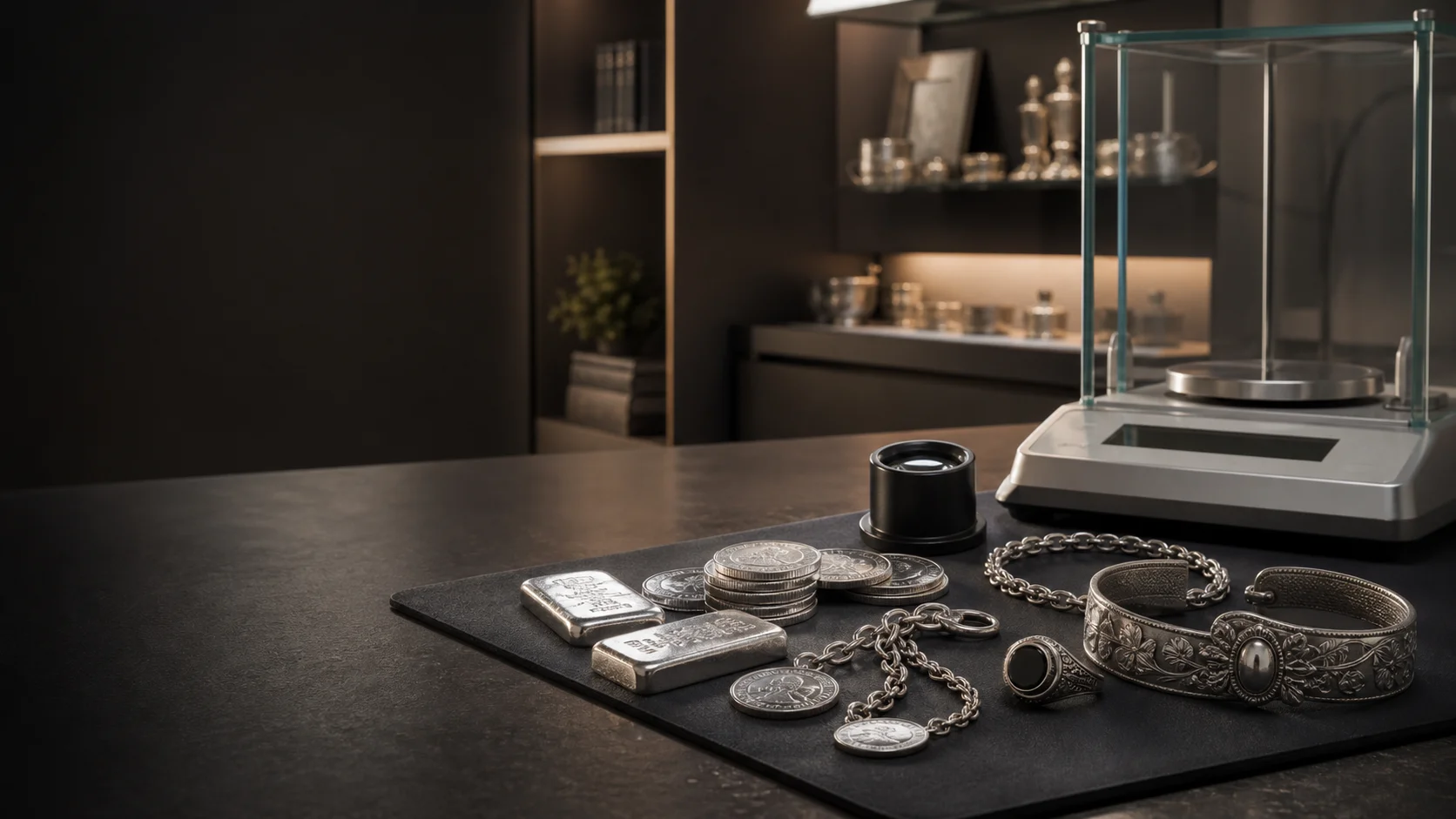
A silver ring, an investment coin, a cutlery set and a silver-plated tray cannot be valued the same way. With ordinary silver, purity and weight are the main factors. With a coin, branded jewellery or an antique item, the collector value can be higher than the price of the metal itself.
Before visiting a buyer, sort the items by type, but do not take sets apart and do not remove stones. Bring boxes, certificates, receipts and anything that documents origin or completeness.
1. Beware of confusing silver with silver-plated goods
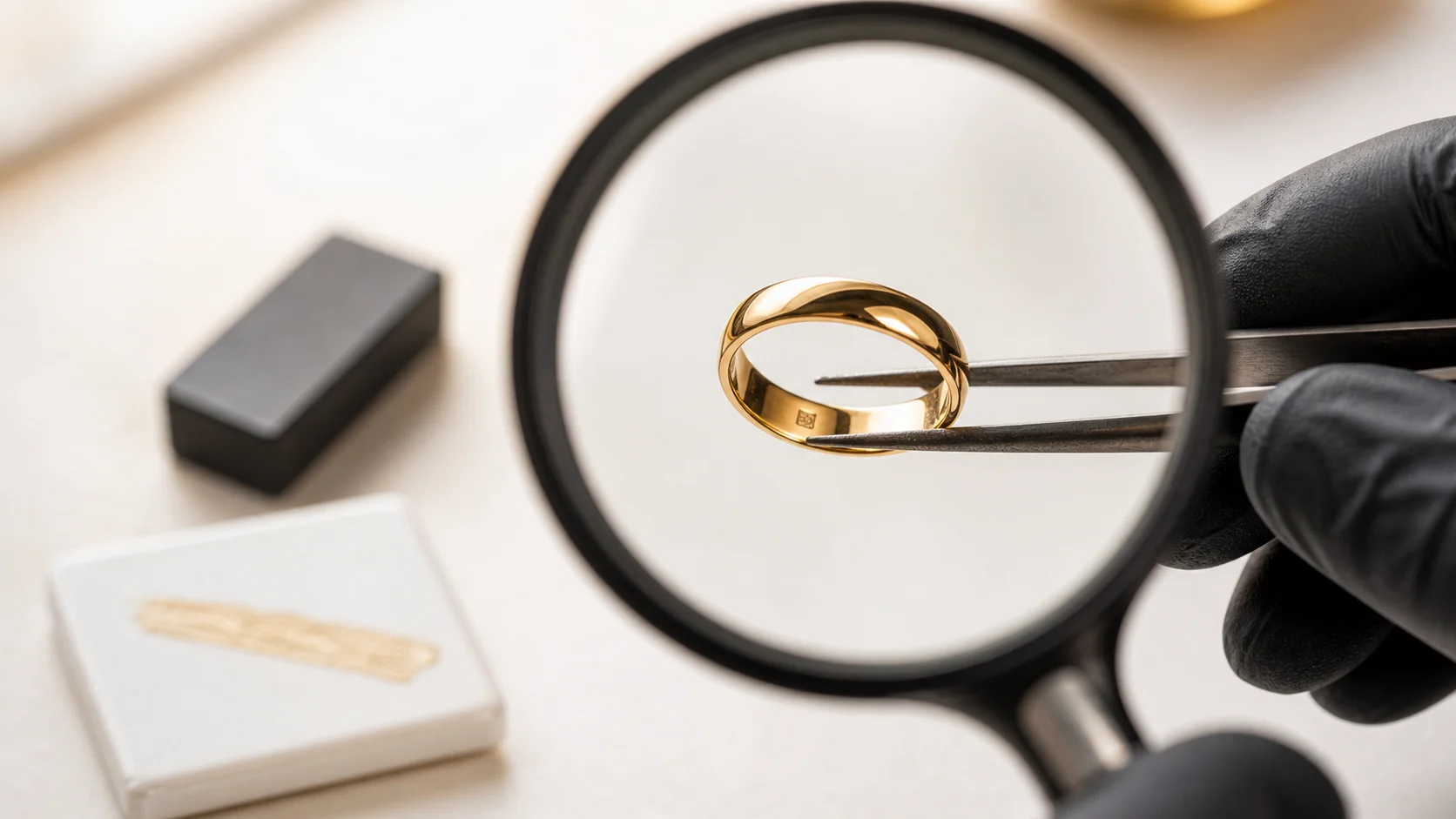
The fineness numbers 800, 835, 900, 925 or 999 can indicate the silver content. Sterling silver is most commonly marked 925. The abbreviations EPNS, Alpacca, Neusilber, nickel silver or the marking "silver plated", on the other hand, usually describe a base metal or plating, not solid silver.
The number or the colour alone is not enough. Compare the marks with the official overview of the Czech Assay Office and have the material verified. On knives, only the handle may be silver while the blade is steel; the handle may also contain a filling inside.
2. Do not let collector value dissolve into the metal price
Silver coins, medals, marked cutlery, antique boxes or designer jewellery can also have value as a whole. Do not clean them with aggressive paste and do not polish off the patina before the assessment. With coins, cleaning can significantly reduce the collector price even though the amount of silver stays the same.
Ask whether the offer is based only on the metal or whether it also includes the age, maker, condition, rarity and completeness of the set. If the item has possible numismatic or antique value, request that assessment before you agree to a sale by weight.
3. Watch how the purity is tested
The buyer should explain how they verify the purity and why they placed the item in a specific category. The marks and the construction are examined and, where needed, the material is verified with a suitable test. With combined items, it is important to separate the silver from steel, stones, fillings and other parts.
If you have doubts, do not let anyone file a visible spot or take apart a well-preserved antique piece without explanation. The chosen method should match the value and construction of the item.
4. Weighing should be transparent
Watch the weight directly during the valuation. With a simple silver piece the calculation is straightforward; with jewellery with stones, a knife with a steel blade or a hollow item, the non-silver parts must be deducted. Have it explained whether the figure is the total weight or the estimated net weight of the silver alloy.
A fair valuation shows the purity, the counted weight, the rate used and the resulting offer. The advertising claim "up to X CZK per gram" alone may not correspond to your type of silver or the current price.
5. Compare the final offer, not a single rate
Two shops can advertise a similar price per gram but differ in the determined purity, the deducted weight or the valuation of the collector component. Before deciding, ask for the final amount and a brief explanation of the calculation.
The valuation should be non-binding. Do not rush if someone refuses to return the item so you can think it over, refuses to explain the calculation or pressures you to sign immediately.
6. Verify the shop and the buying conditions
- Check the identity of the operator, the address of a permanent shop and an available contact.
- Verify in advance what documents you will need and how the payout will take place.
- Request a written record of the transaction with a description of the items sold and the price.
- When sending by post, read the conditions for insurance, return of the shipment and rejection of the offer.
- With a larger collection or estate, keep your own list and photographs of the individual pieces.
How to prepare for selling silver in Prague
Only gently remove dust from the items, photograph them and bring them in their original groups. In the shop, the material should be identified, the marks checked, any collector value assessed, the items weighed and the offer explained. For indicative rates, use the current gold and silver price list.
In our shop we offer non-binding silver buying in Prague 1. An overview of the differences between jewellery, coins and cutlery can also be found in the article Silver buying in Prague: jewellery, coins and cutlery.